
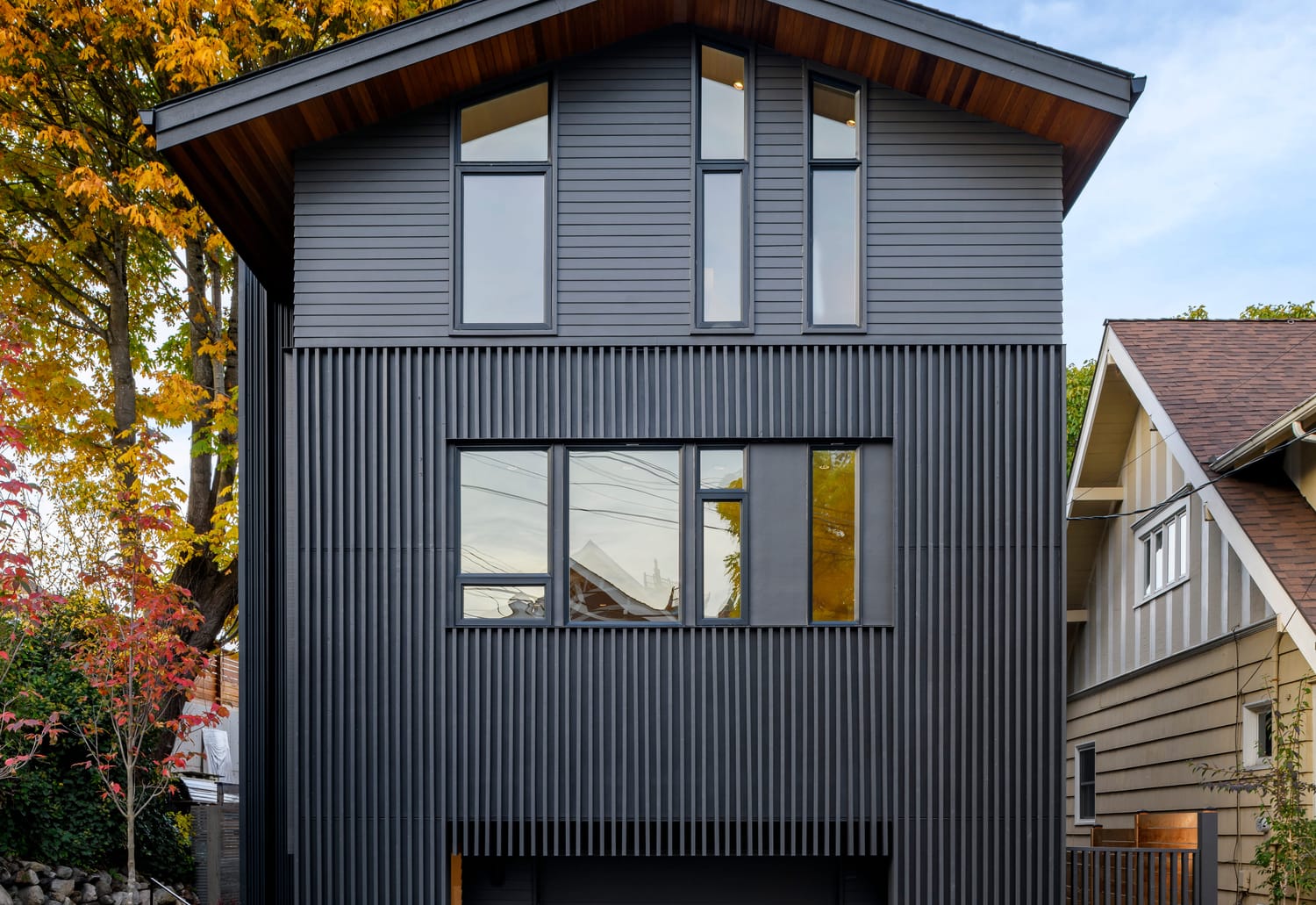
Tangletown Residence
Located on a hillside site in Seattle’s Tangletown neighborhood, this residence is designed as a contextual response that balances familiarity with a contemporary architectural expression. The surrounding fabric of early bungalows and recent infill projects informed an approach rooted in proportion, scale, and restraint.
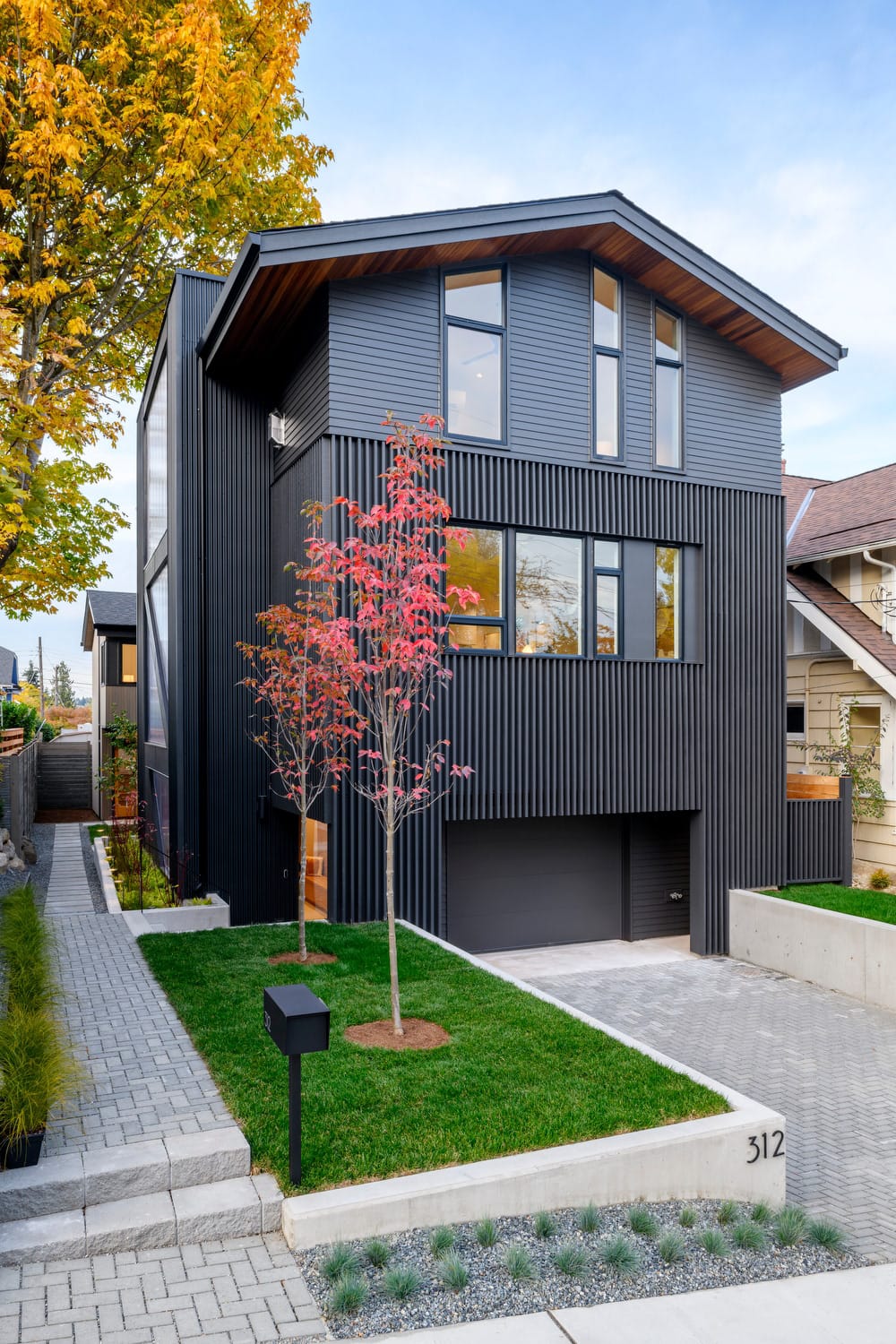
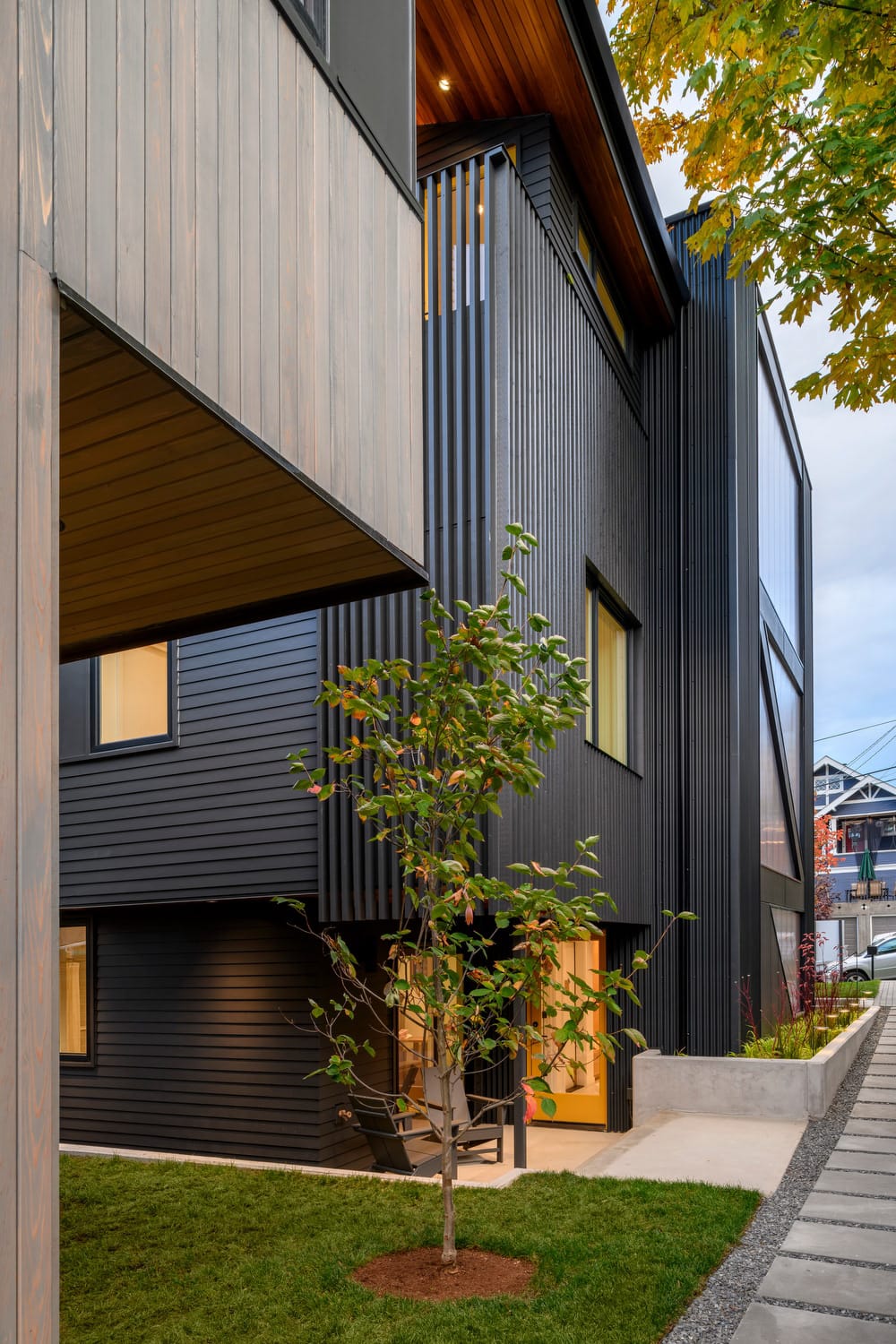
The primary form is a simple gabled volume with deep overhangs, referencing the language of adjacent homes. This familiar silhouette is reinterpreted through material and detail, where vertical battens introduce depth, shadow, and texture across the facade. A restrained monochromatic palette reinforces the clarity of the form while lending the building a more contemporary presence.
The house is set partially into the slope, reducing its perceived scale from the street and establishing a more sheltered and private entry sequence. This move also allows the garage to recede from view, prioritizing the architectural composition of the main volume and its relationship to the landscape.
At the upper level, a portion of the gable is selectively carved to create a rooftop deck. This subtraction from the primary form produces a protected outdoor space that opens to broader views across the neighborhood, extending the living environment while maintaining a sense of enclosure.
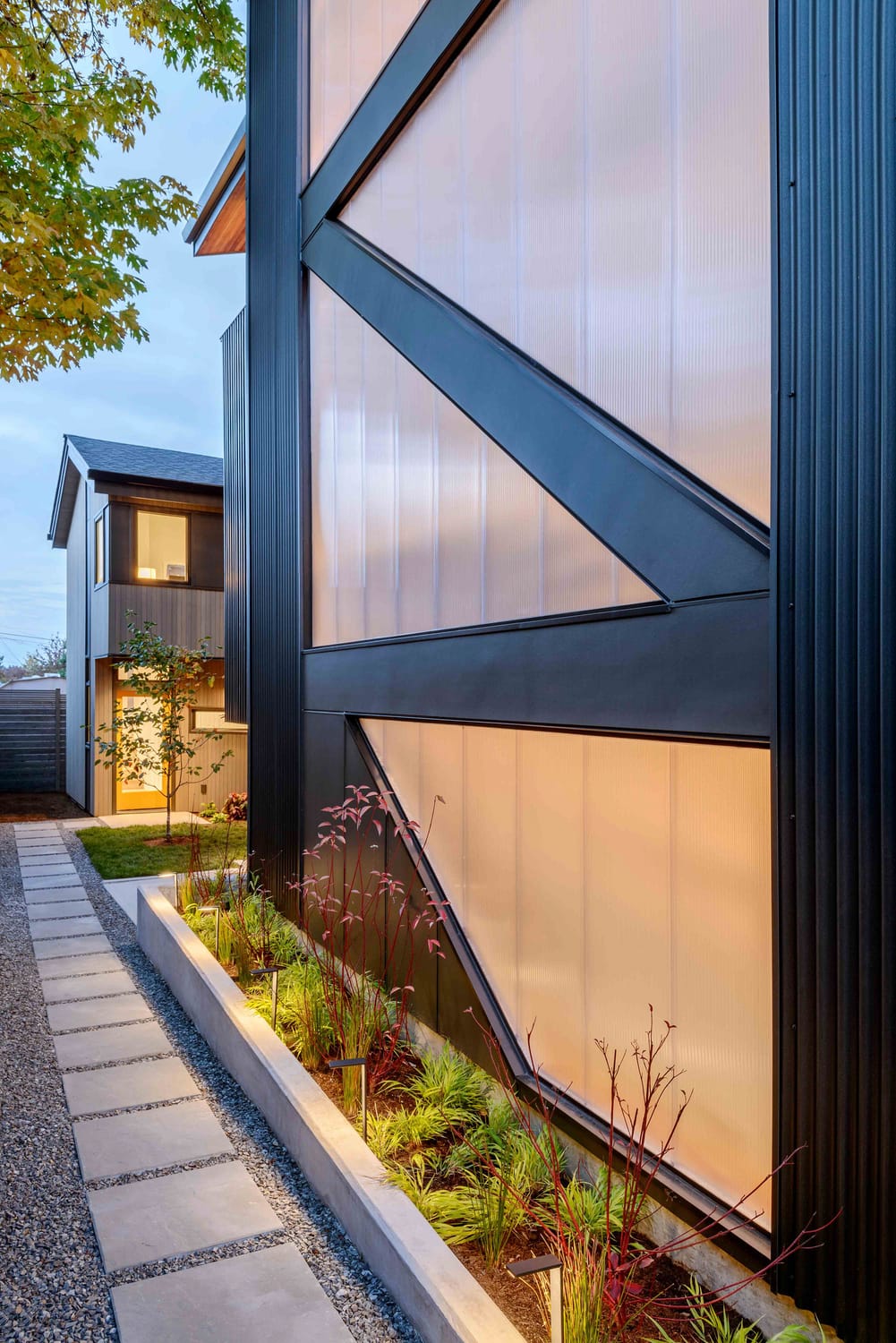
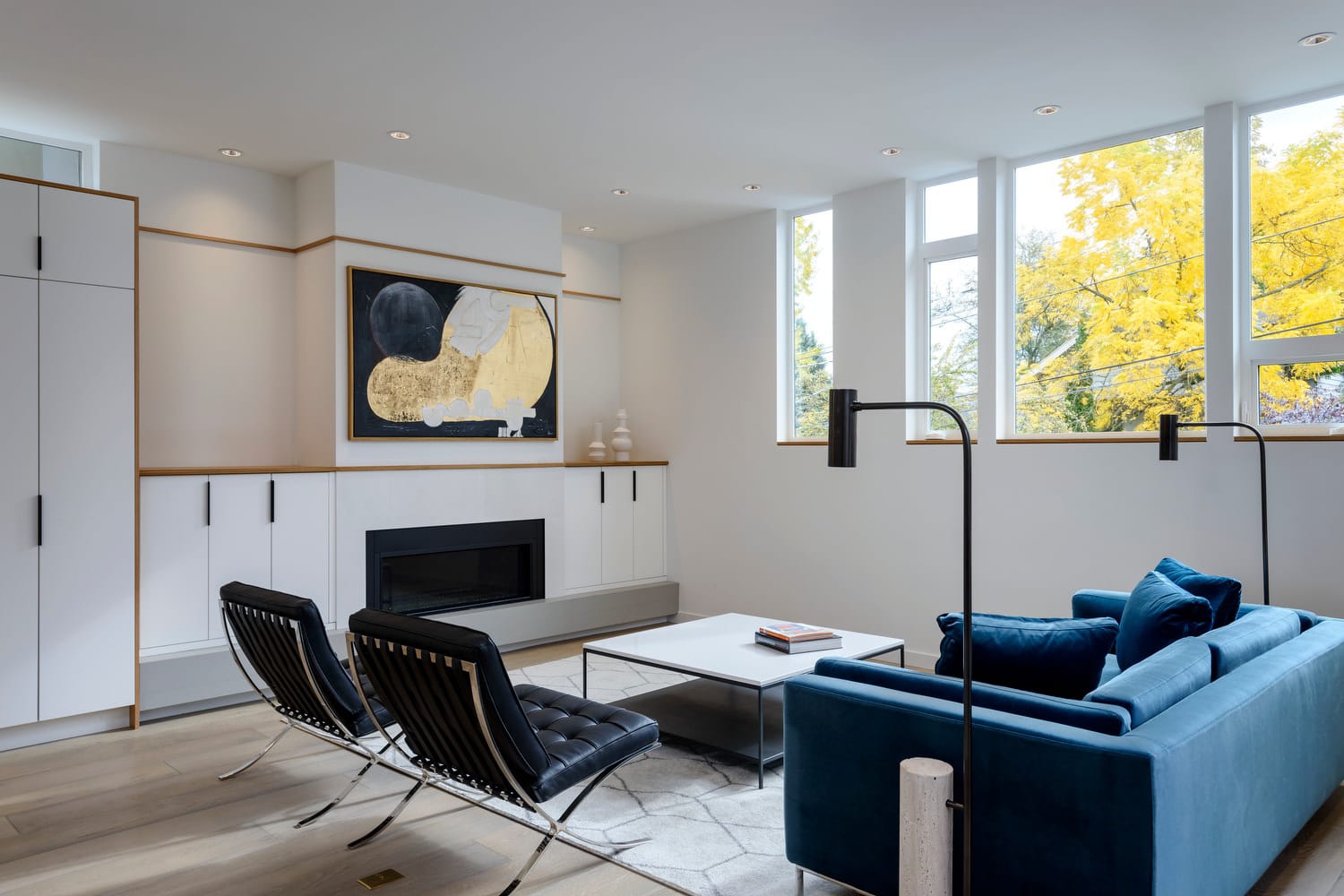
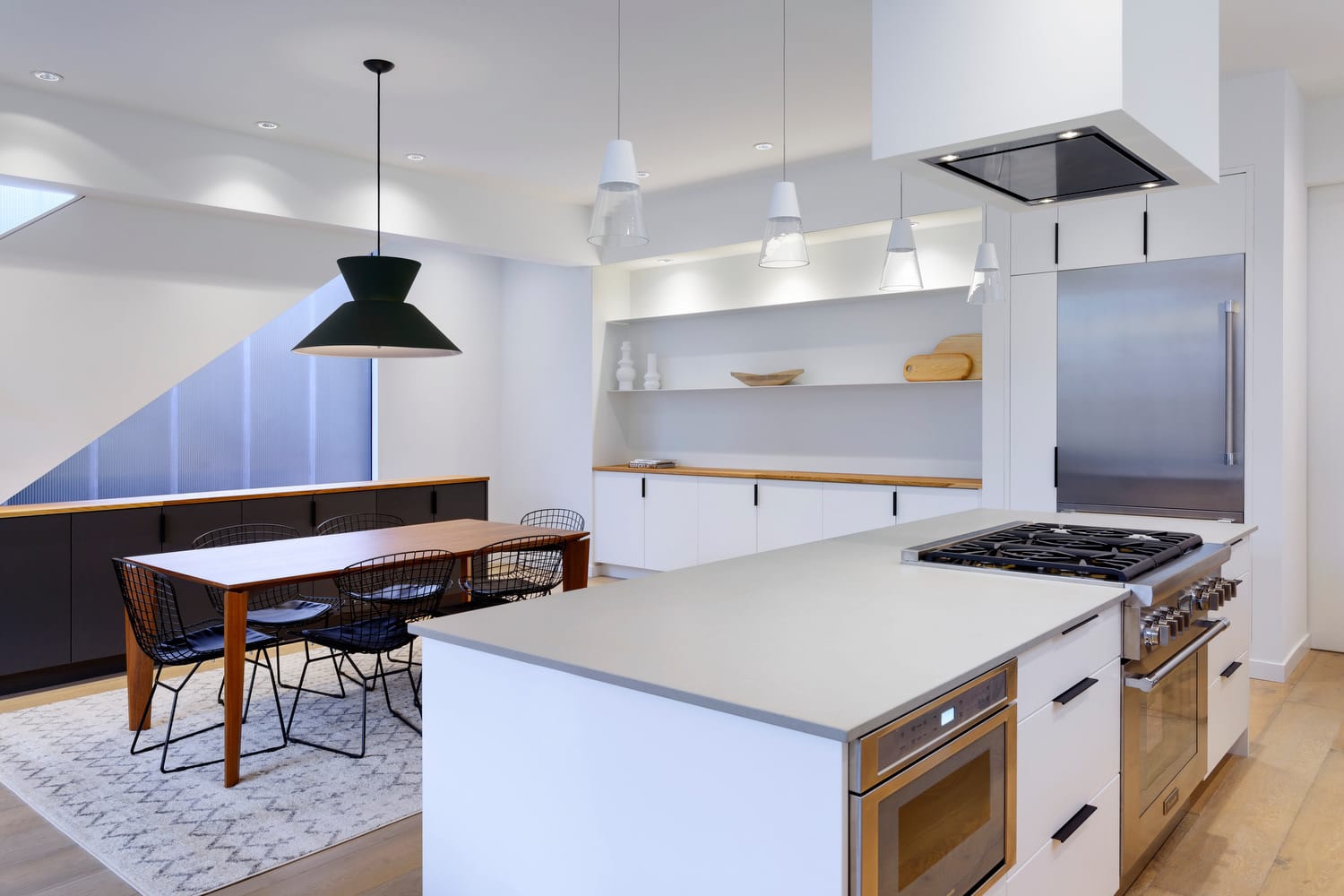
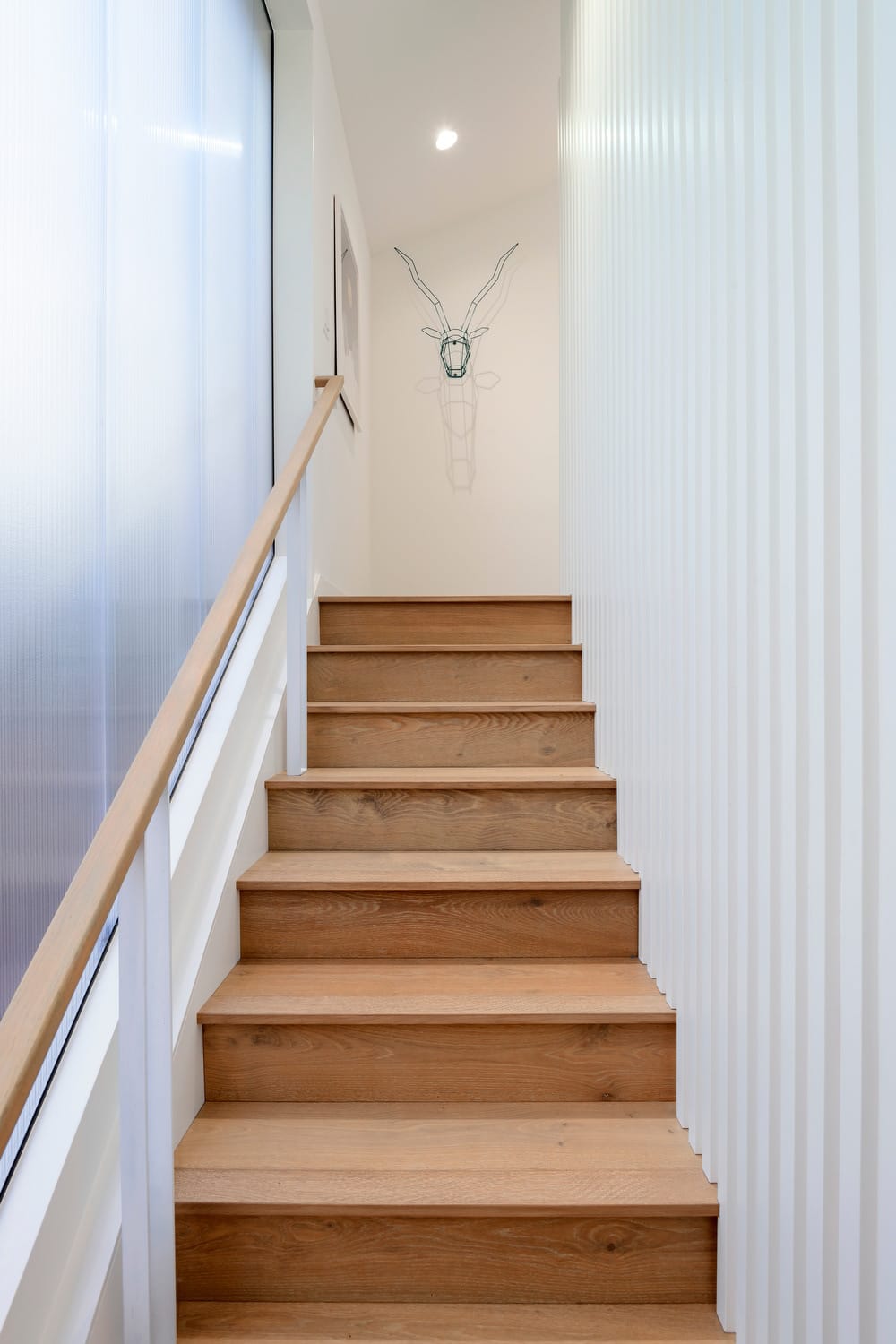
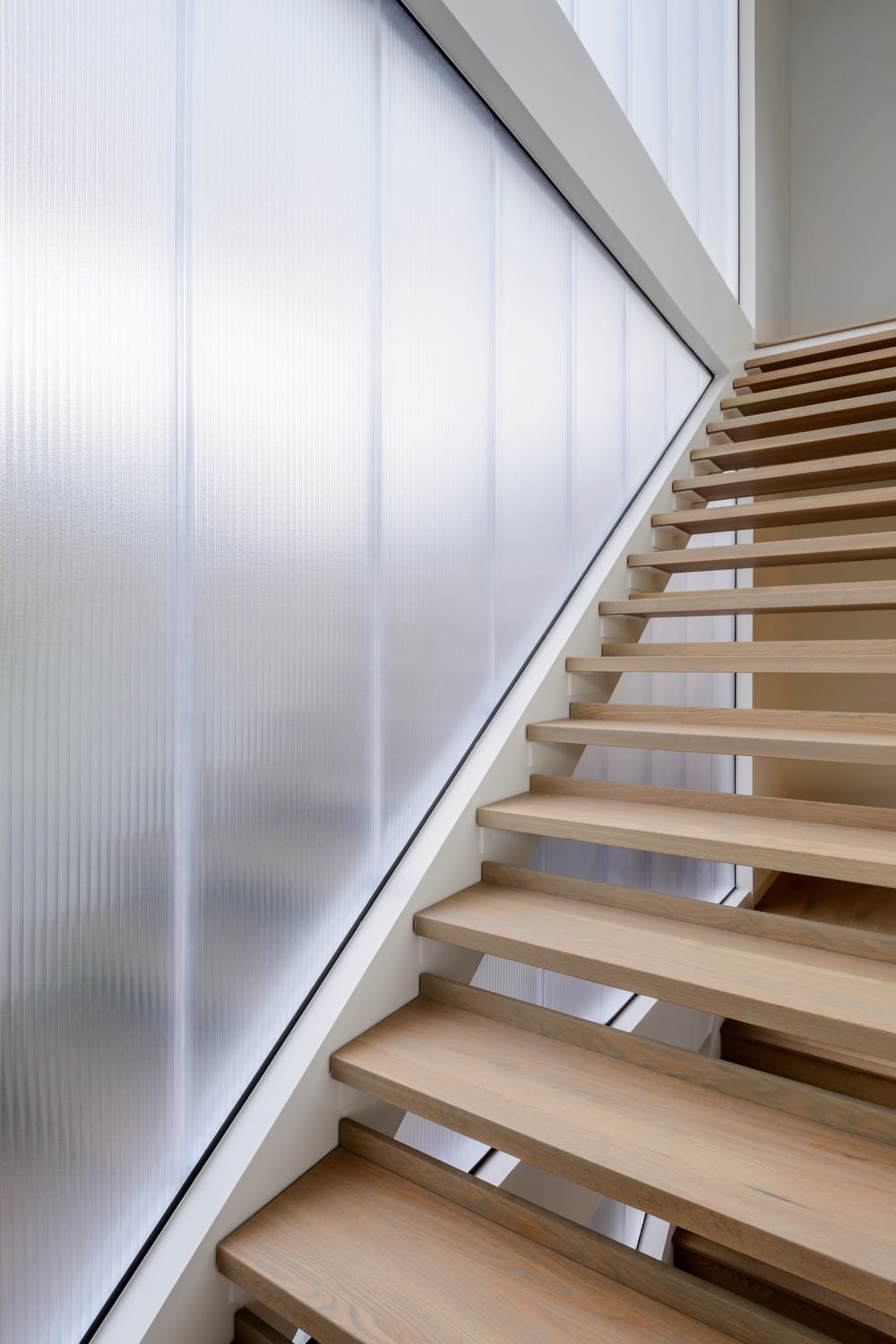
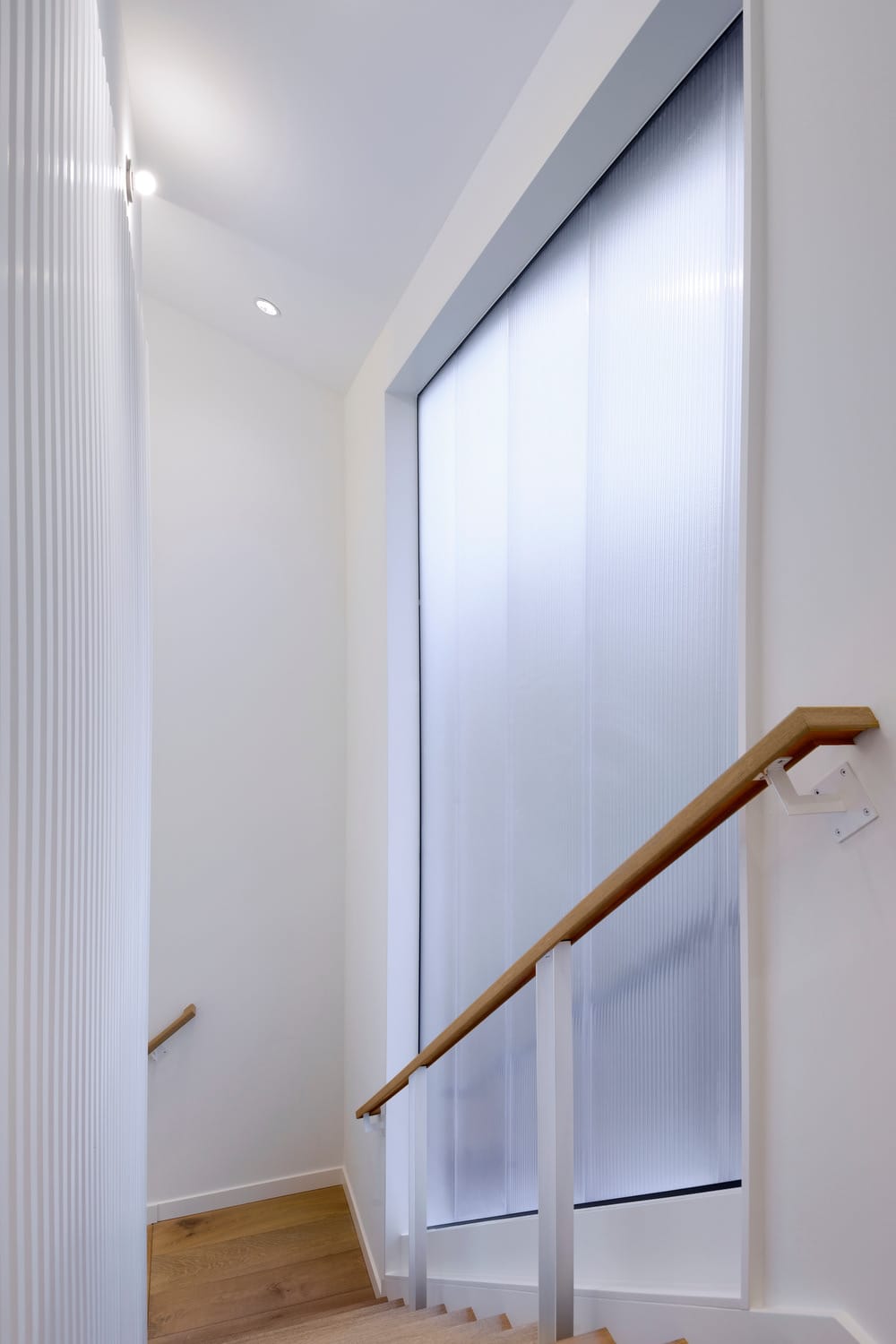
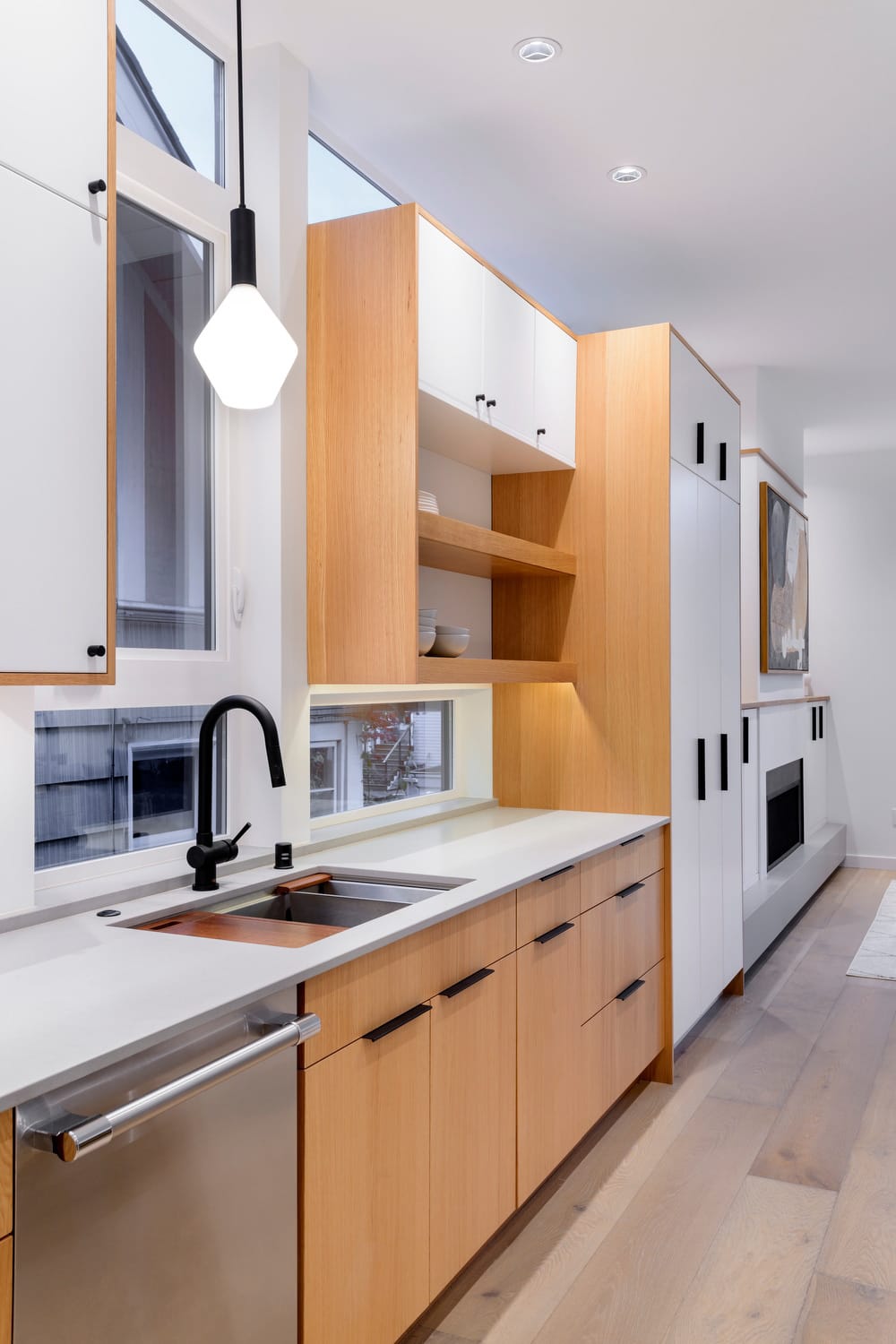
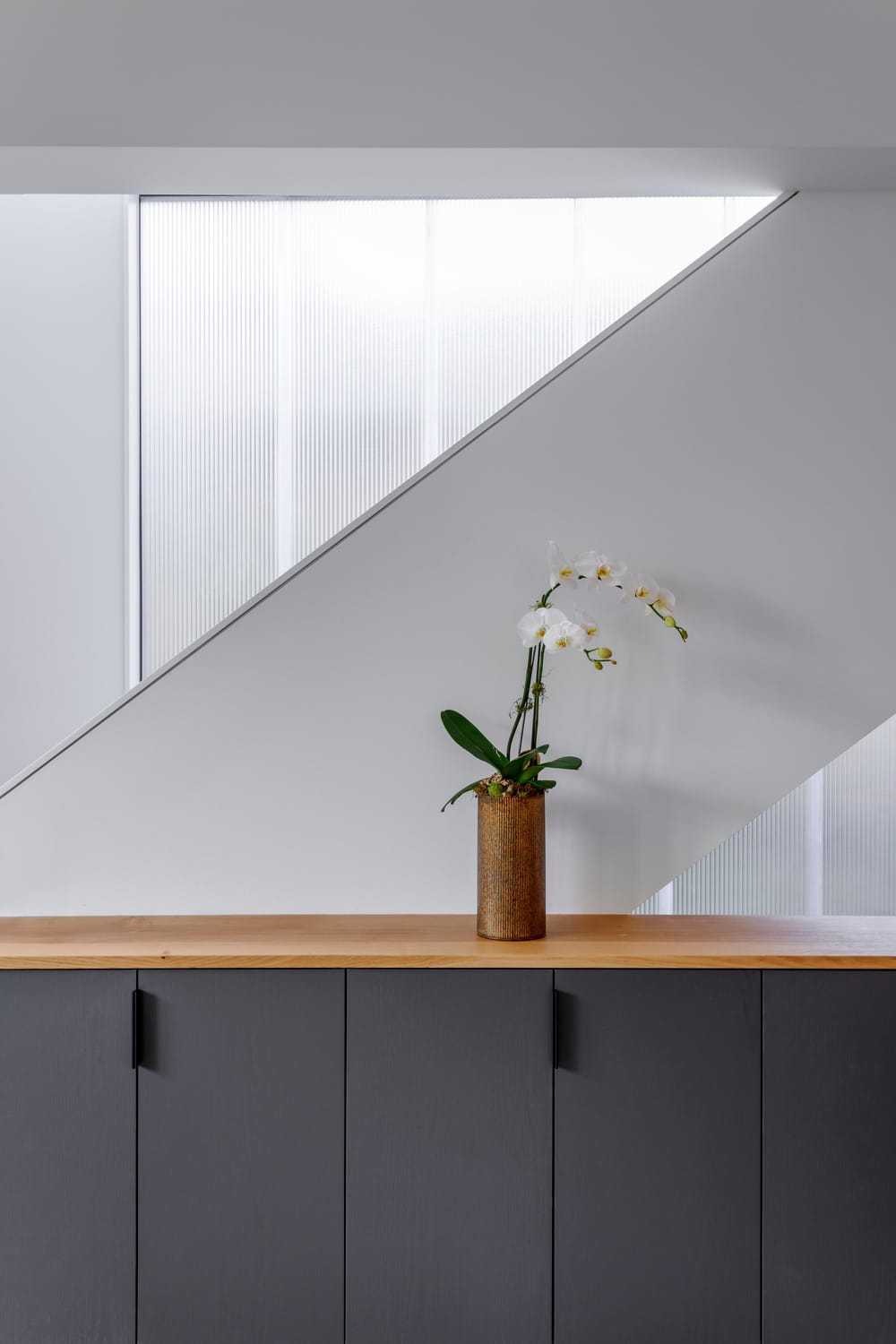
Interior spaces are organized to balance light and privacy within the constraints of the urban context. Along the primary circulation spine, insulated polycarbonate panels line the stair, admitting diffused daylight while limiting direct views between neighboring properties. This element acts as both enclosure and light filter, contributing to a layered and dynamic interior condition.
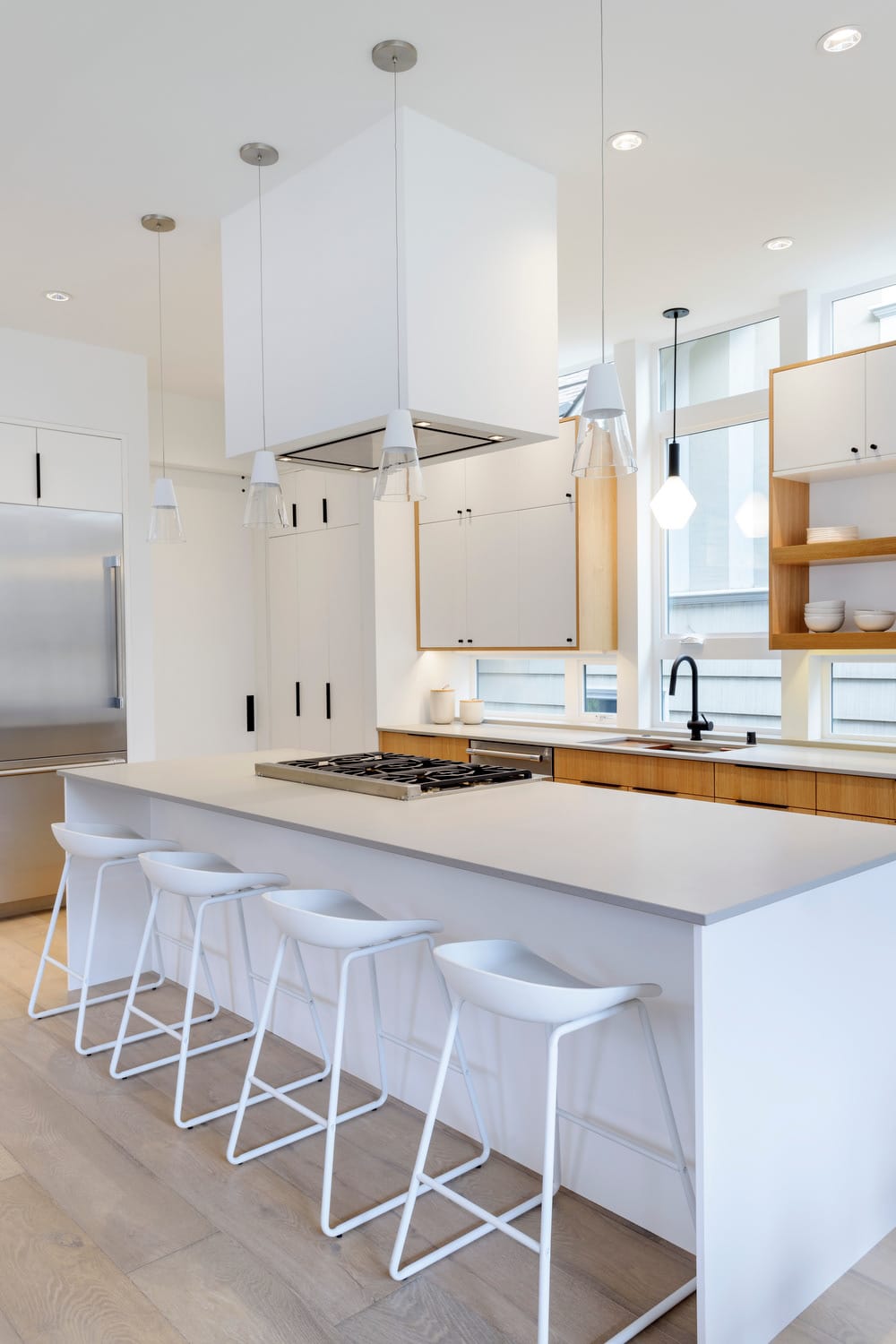
The plan follows a clear progression from more public to more private spaces, establishing a legible spatial hierarchy and reinforcing a sense of calm throughout the home. The project ultimately explores the tension between continuity and distinction, using familiar forms as a framework for a more refined and contemporary interpretation of residential design within an evolving neighborhood.
Every great space starts with a conversation.