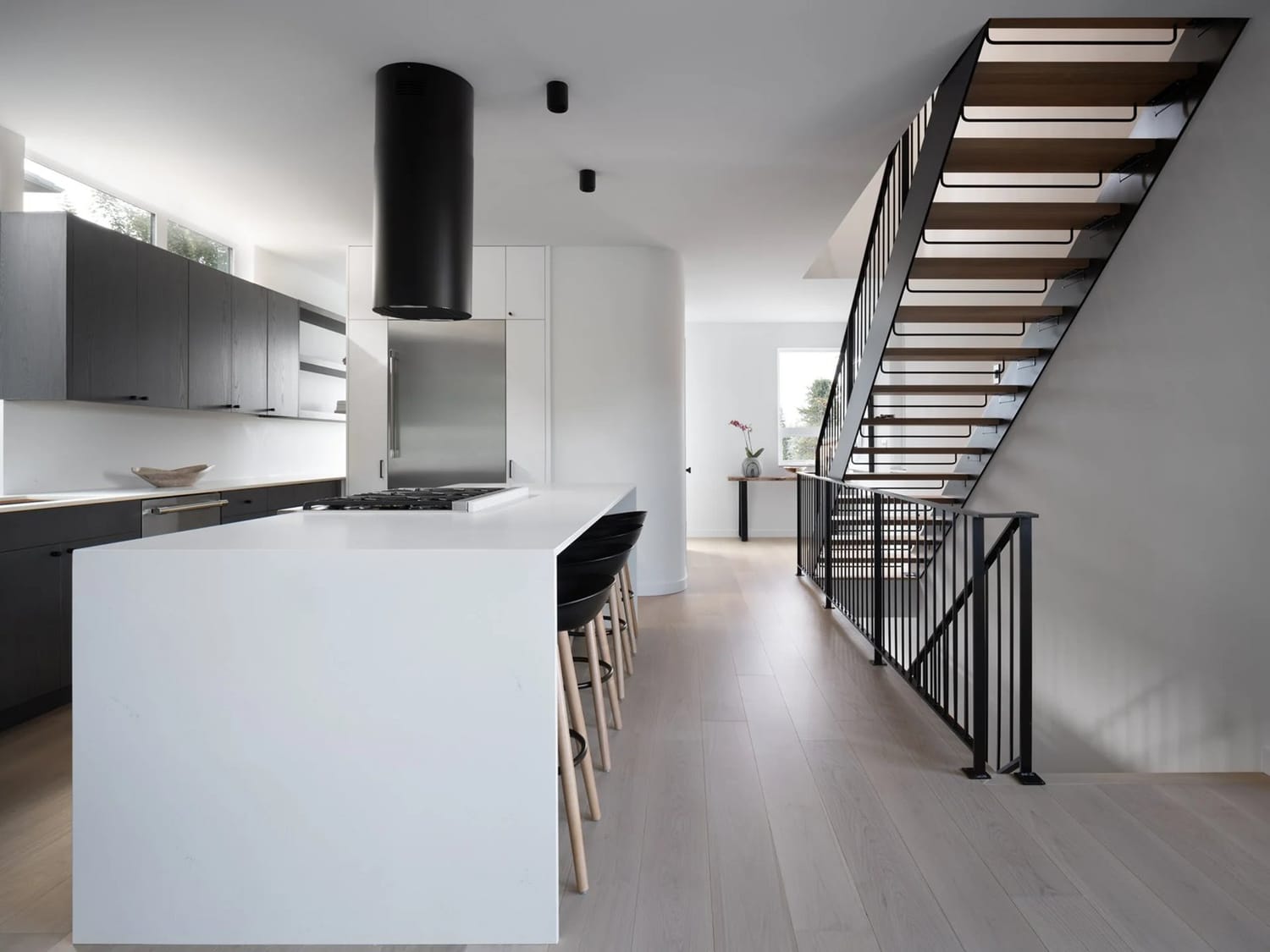
I Thought Construction Was the Easy Part: Why Design Doesn't End When Building Begins
When the drawings are finished, it's natural to feel the hard part is over. You've worked through every design phase, from schematic design to design development, you have a contractor, a budget, and a complete set of plans. It seems reasonable to think construction will simply follow. Many homeowners tell us that's exactly what they believed, until the questions started.
At first, everything moves along. A few questions come up, nothing out of the ordinary. Decisions get made quickly and progress looks good. When something isn't built exactly as drawn, it's easy to assume that's just how architecture and construction work: small adjustments, no real consequences.
When the Questions Start Coming Faster
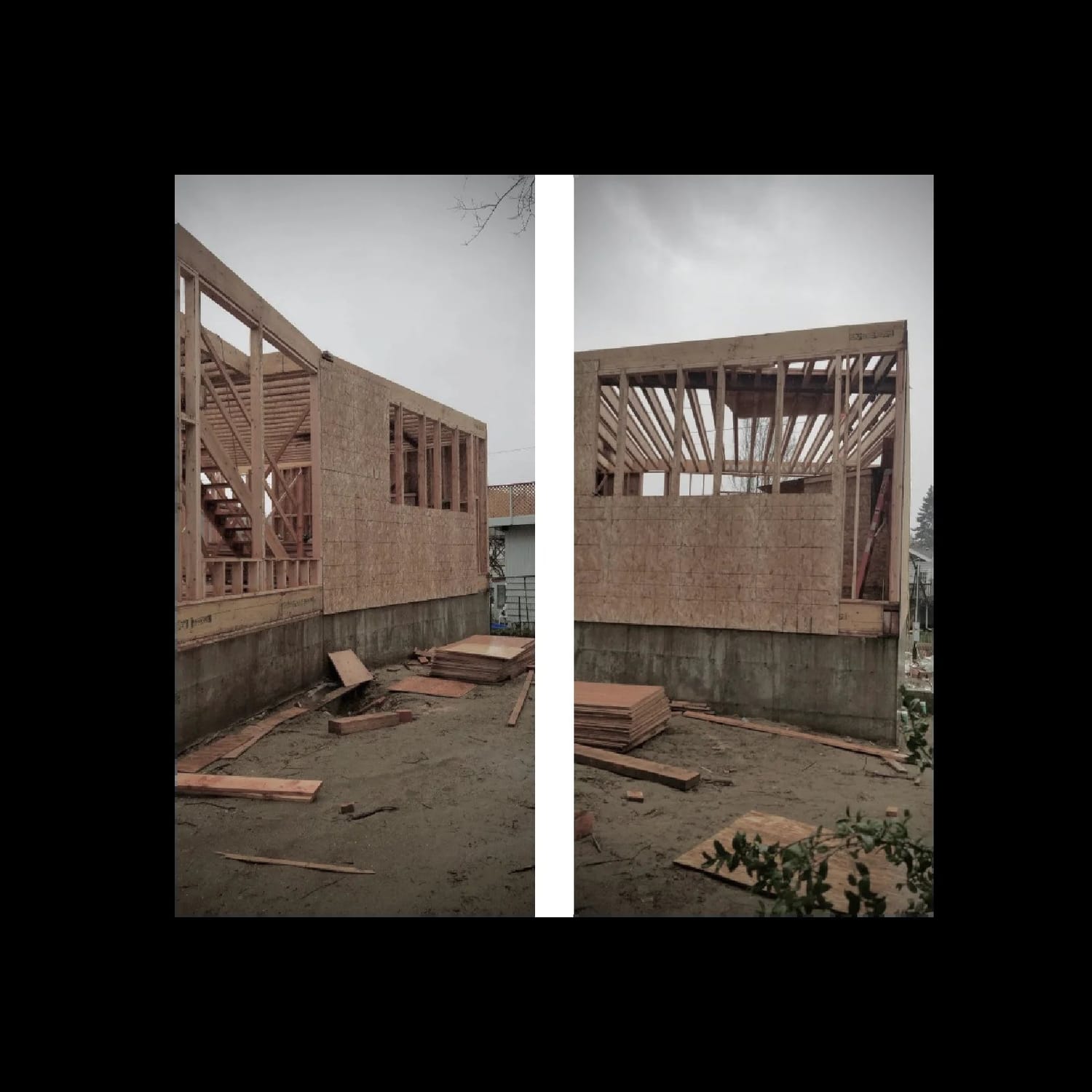
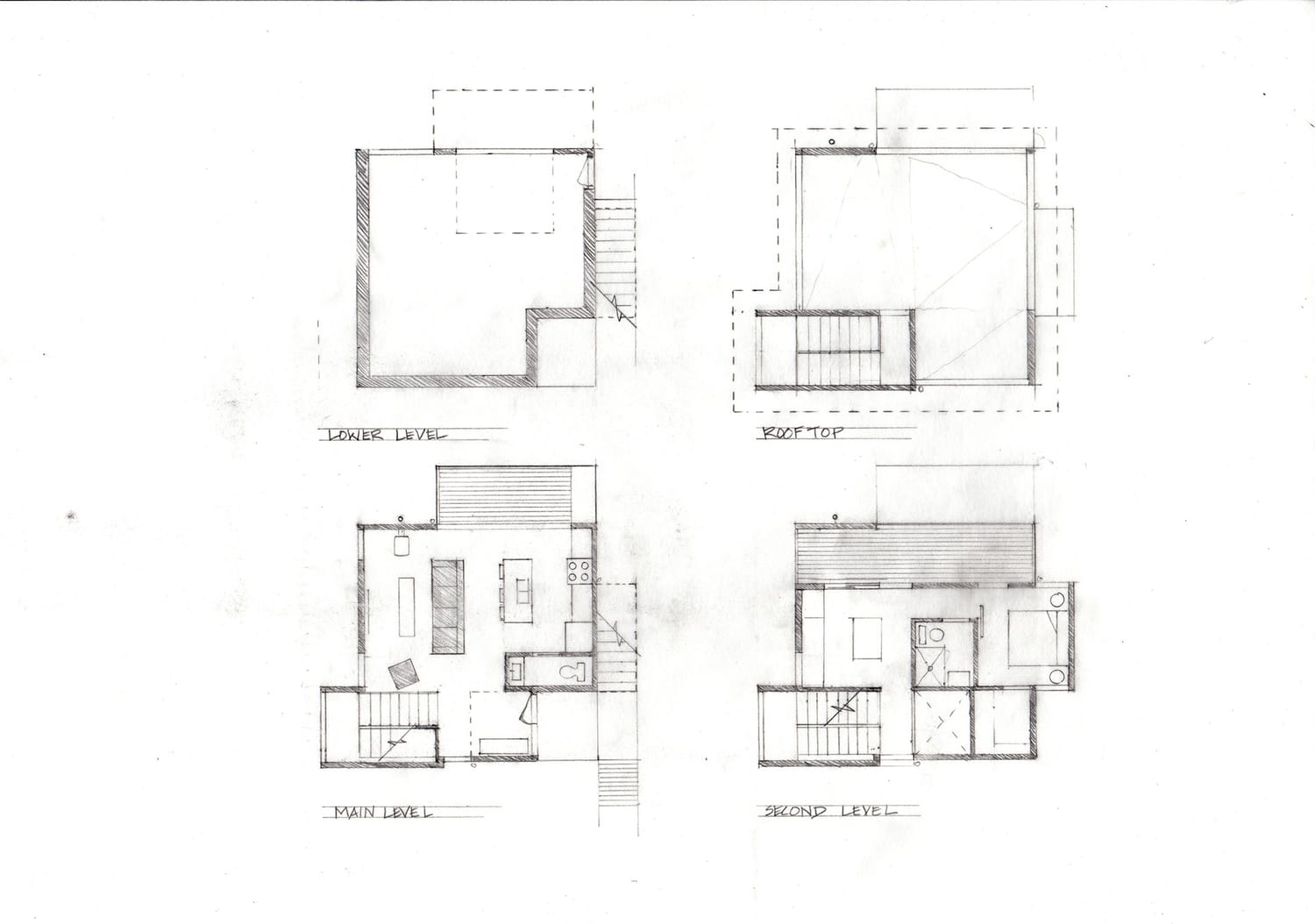
Then the pace changes. Clarifications. Substitutions. Shop drawings covered in notes that are hard to interpret. The contractor asks, "Is this okay?" and suddenly you realize you don't know how to answer.
This is where many projects quietly go off course, because of three common assumptions:
The drawings will speak for themselves. Even the most complete architectural design documents need interpretation in the field.
Everyone shares the same vision. The contractor, subcontractors, and suppliers each see the project through their own priorities.
Someone is protecting the design intent. Without the architect involved during construction, often no one is.
How Small Compromises Add Up
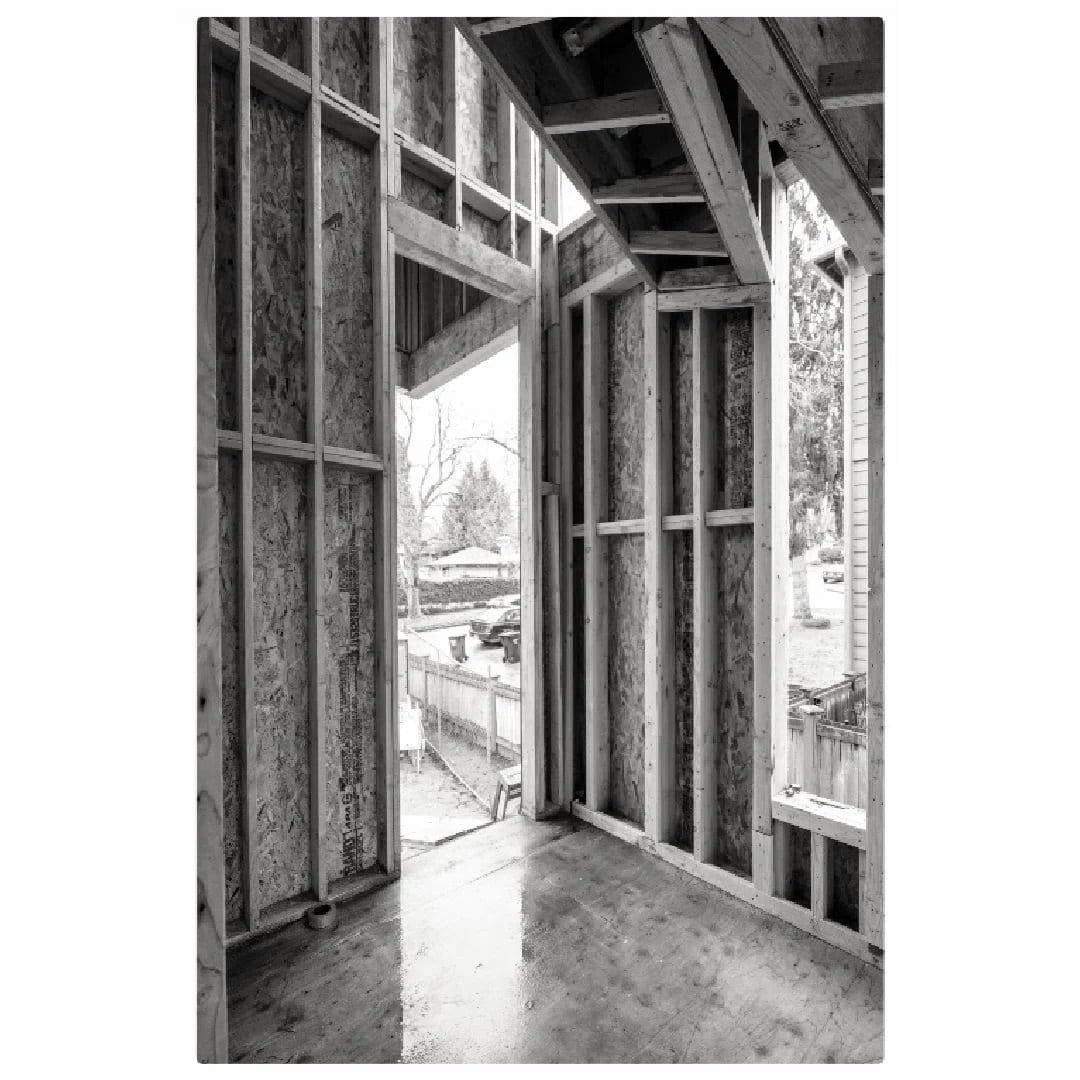
Nothing goes wrong all at once. Instead, the project shifts slowly: one simplified detail here, one "equivalent" material there. Each decision feels minor. Together, they change the home in ways that are hard to see until reversing course costs time, money, or both.
The ideas carefully developed during the schematic design and design development phases, like how light enters a room, how materials meet, and how spaces connect, can fade one field decision at a time
The Architect's Role During Construction
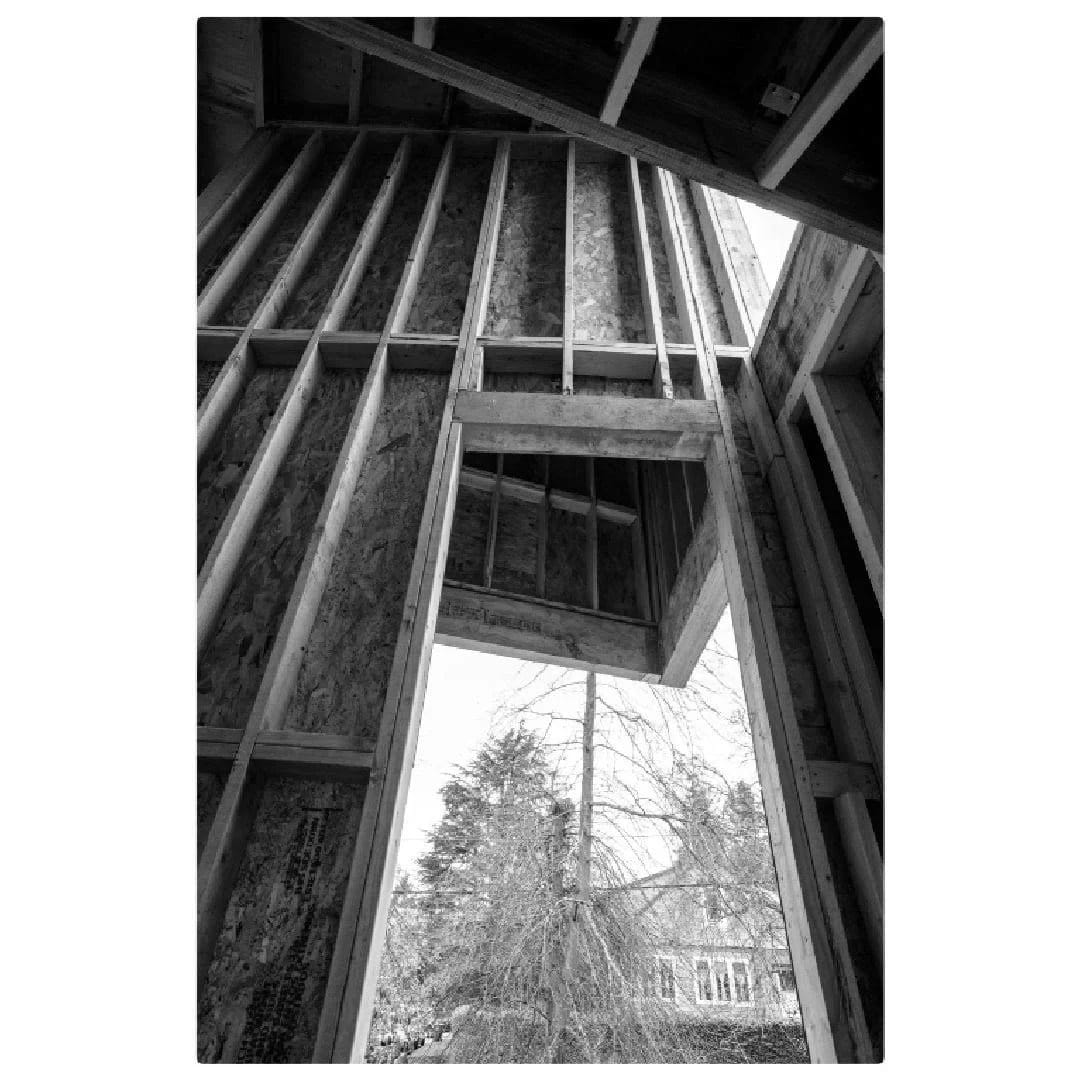
Construction isn't just about building what's drawn. It's about interpreting what was intended. When an architect stays involved through the construction phase, those interpretations are guided by the person who knows the whole picture.
As your architects, our role during construction includes:
Answering questions from the field: Clear, timely responses keep work moving and keep the design on track.
Reviewing shop drawings and submittals: We confirm that windows, cabinetry, structural components, and finishes match the intent of the design.
Evaluating bids and substitutions: We help you tell a true equivalent from a compromise, so savings don't come at the expense of quality.
Advocating for you: When something doesn't align with the plan, we push back on your behalf.
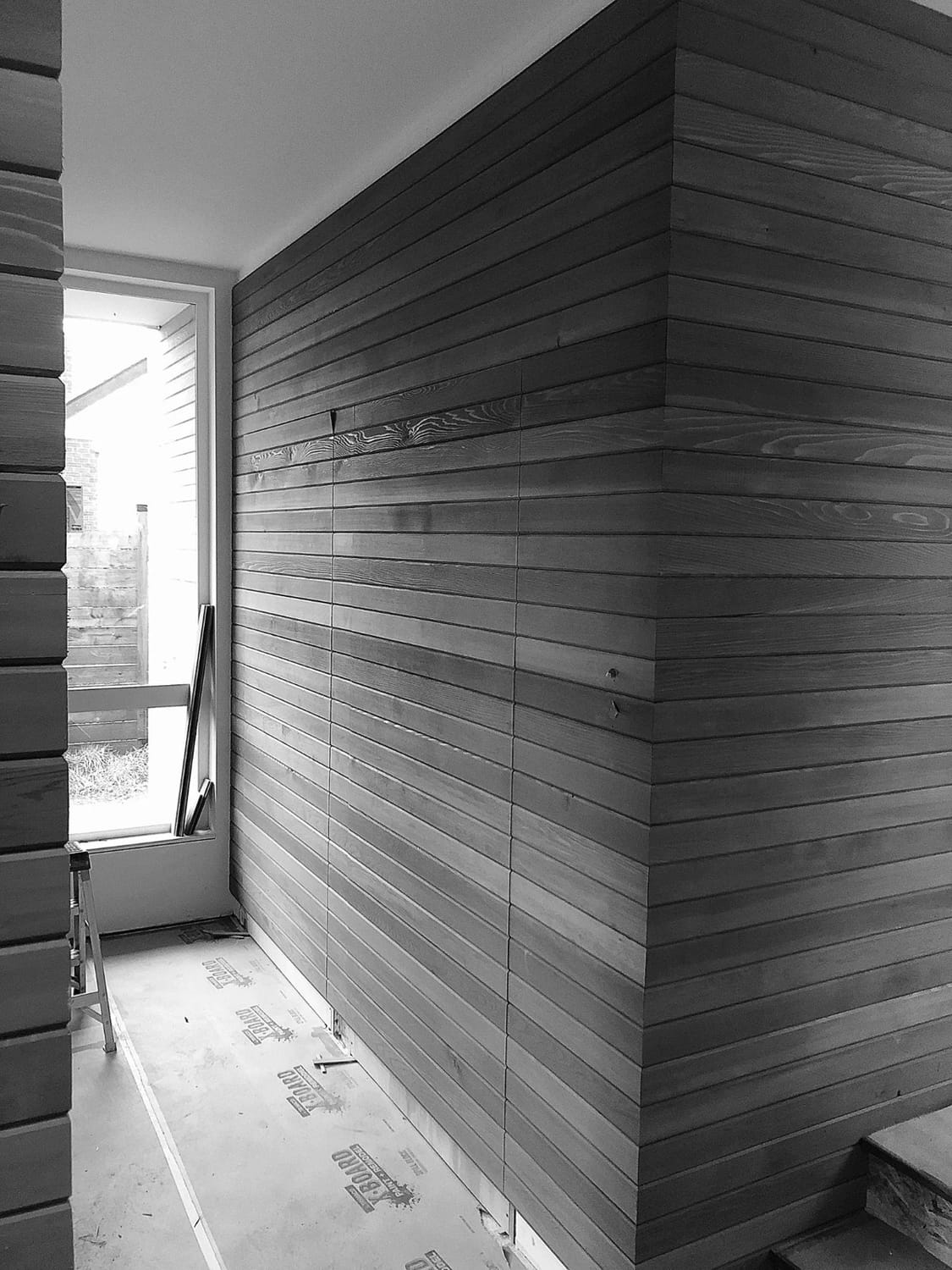
Without this role, those decisions don't stop. They simply get made by whoever is closest to the issue in the moment.
Design Doesn't End When Construction Begins
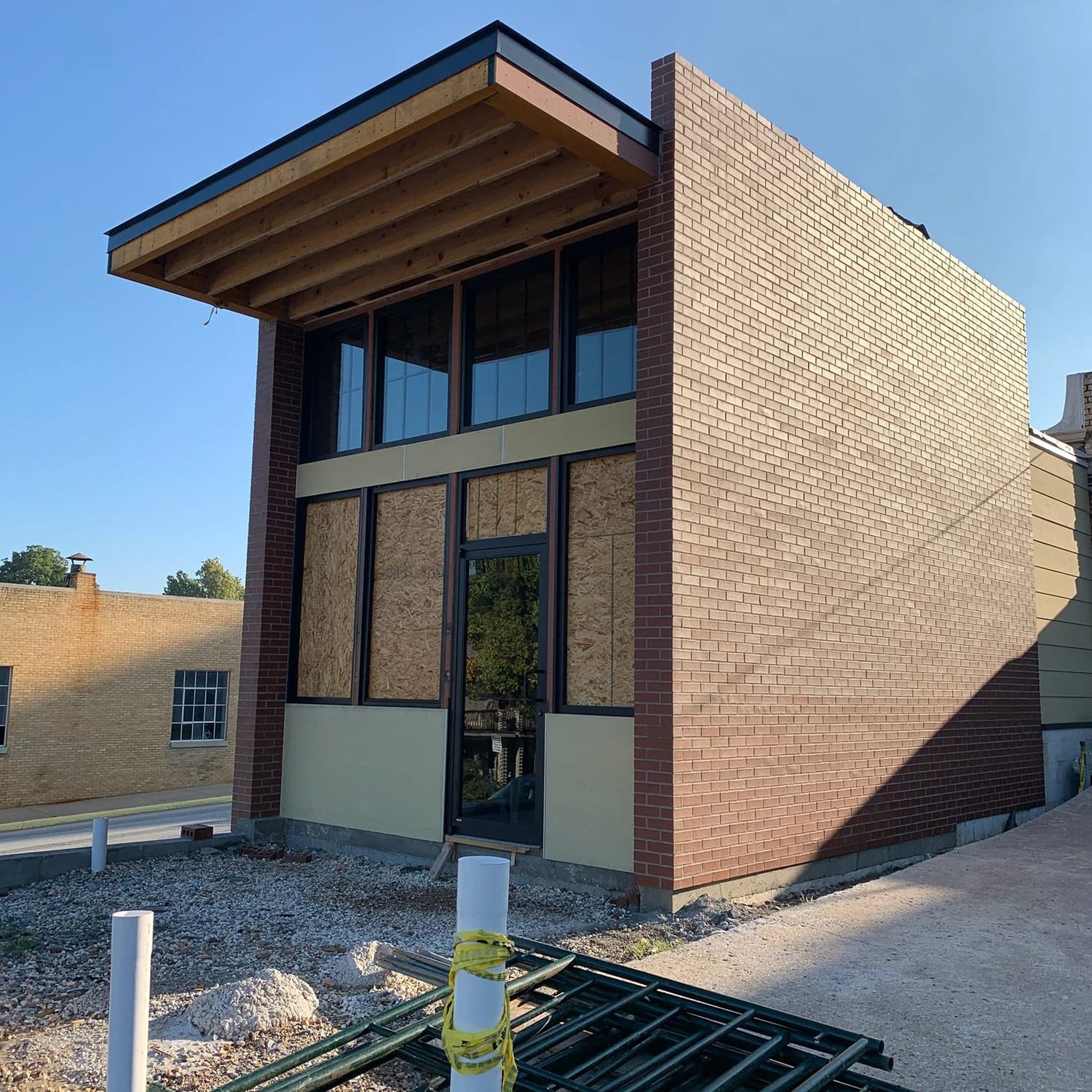
Removing the architect from construction can feel like streamlining the process. In reality, it removes the one role responsible for seeing the whole project, from the first sketch through the final walkthrough.
If you're heading into construction feeling like everything is under control, we understand. But this is the phase where projects are most vulnerable, not to big failures, but to a series of small compromises that quietly add up. Sometimes the most valuable work an architect does isn't visible in the finished building. It's in the problems you never have to discover the hard way.
Ready to protect your design from the first sketch to move-in day? Reach out to Cheryl and Steve at Click Architects today to talk about your project.